




Commercial Exterior Signs: Permitting and Compliance in Atlanta, GA
July 15, 2026
Permitting and compliance requirements can make or break a commercial exterior sign project, and understanding them early may save Atlanta businesses significant time and cost.
Many business owners focus entirely on design when planning a new sign. But commercial exterior signs in Atlanta, GA, must also pass through a structured approval process before they can legally go up. Skipping or misunderstanding this process can lead to fines, forced removal, or costly redesigns.
Why Permitting Matters for Business Signs
Most jurisdictions require a permit before any exterior sign is installed. In Atlanta, GA, this typically means submitting plans to the city's Office of Buildings, which reviews them for compliance with local zoning codes and structural standards. The review process may include checks on sign dimensions, placement from the curb or property line, and whether the structure can safely support the sign's weight and wind load. Getting this step right from the start can keep a project on schedule.
What Do Zoning Rules Actually Cover?
Zoning rules cover far more than most people expect. Local zoning codes in Atlanta, GA, generally regulate the size, height, type, and illumination level of any exterior sign. Rules can vary significantly depending on the district where a business is located.
A business in a general commercial zone may have more flexibility on sign size and brightness than one located in a historic district or overlay zone. Areas like the Castleberry Hill Arts District or Buckhead's Peachtree Road corridor, for example, often carry stricter guidelines to preserve neighborhood character. This means a sign that would be approved in one part of Atlanta might require a full redesign just a few miles away. Understanding which rules apply to a specific parcel is an essential first step.
Structural and Engineering Requirements
Beyond zoning, many sign types require documentation from a licensed structural engineer. Larger wall-mounted signs, monument signs, and pylon signs may need engineer-stamped drawings that prove the installation can handle wind loads and attachment stress. This is especially relevant for illuminated signs with electrical components, which may also require separate electrical permits and inspections.
Brand Consistency Across Multiple Locations
For businesses with more than one Atlanta location, zoning variation can create real branding challenges. A sign design that works in a strip mall along a state highway may not meet the height or illumination restrictions near a residential overlay zone. Working with a sign partner who understands the local code landscape may help maintain a consistent brand look while keeping each location fully compliant.
How to Stay Ahead of Compliance Issues
Proactive planning is the most effective compliance strategy. Reviewing zoning requirements and permit timelines before finalizing a sign design can prevent expensive last-minute changes. In Atlanta, GA, permit review times may vary based on project complexity and current city workloads, so building that timeline into a project schedule is wise.
Working with a sign provider experienced in local permitting may also reduce the risk of incomplete submissions or repeated revision cycles. Commercial exterior signs that are designed with code requirements in mind from the start tend to move through the approval process more smoothly.
Ready to Plan a Compliant Sign in Atlanta?
Advantage Graphics & Signs provides commercial exterior signs in Atlanta, GA, along with permitting assistance to help businesses navigate local regulations. Call 404-325-5302
or contact the team online
to discuss your project. You can also learn more about sign permitting support
available for Atlanta-area businesses. Find Advantage Graphics & Signs
on Google to read reviews and get directions.

Learn what ADA requirements apply to commercial office signs in Atlanta, GA. Advantage Graphics & Signs offers compliant, branded solutions. Click here.

Planning commercial wayfinding signs for your Atlanta, GA, office parks? Advantage Graphics & Signs handles the design and installation. Request a free quote.

Advantage Graphics & Signs installs commercial building signs for Atlanta, GA businesses. Compare channel letters vs. cabinet signs. Call (404) 325-5302!

Need custom commercial signs in Atlanta, GA? Advantage Graphics & Signs simplifies sign permits end-to-end. Call 404-325-5302 today to get started.

Discover how commercial exterior signs in Atlanta, GA, boost business visibility with Advantage Graphics & Signs. Click here for expert branding tips!
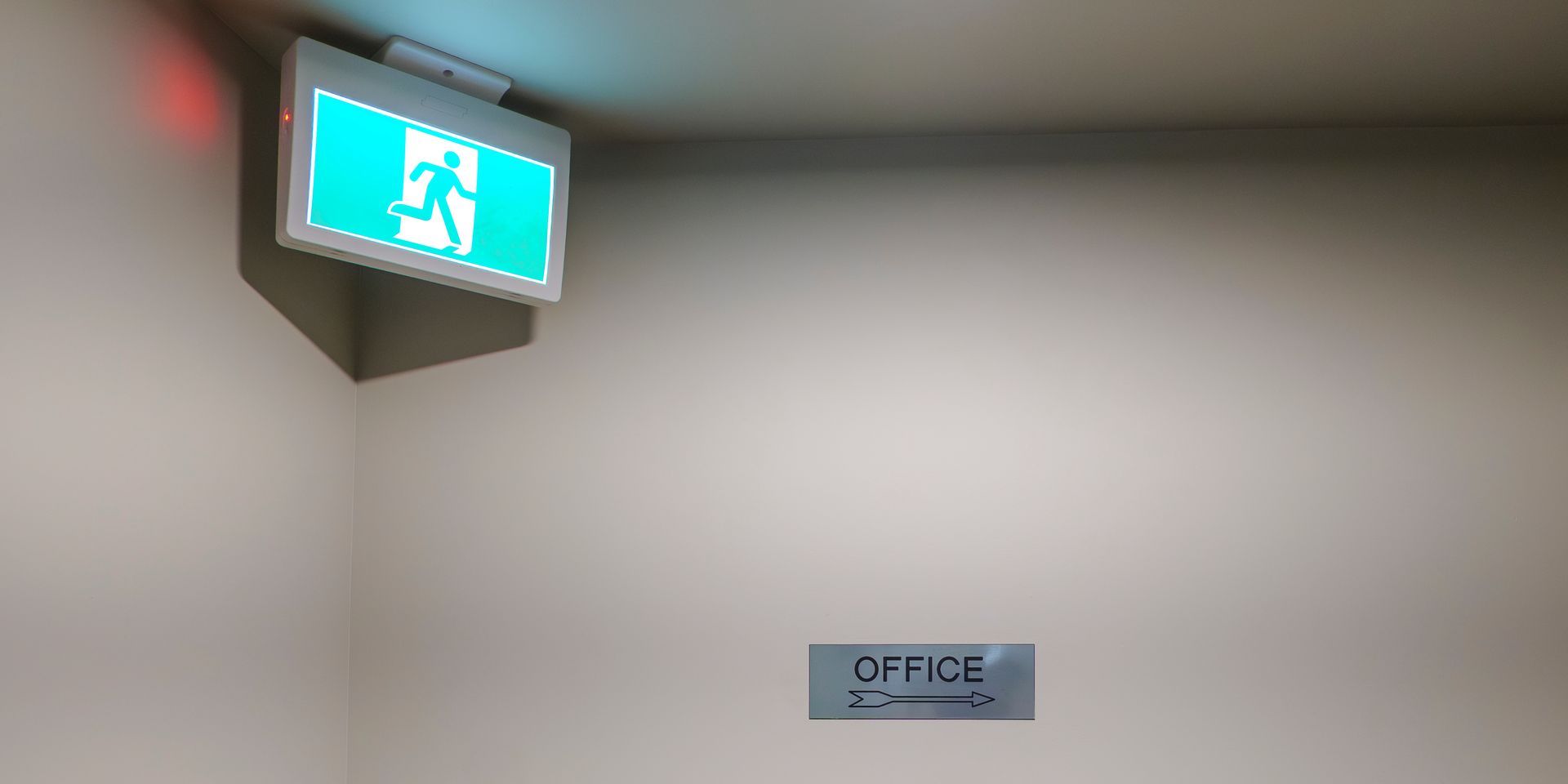
Discover how Advantage Graphics & Signs uses commercial office signs in Atlanta to create standout workspaces. Call 404-325-5302 or click here to learn more!
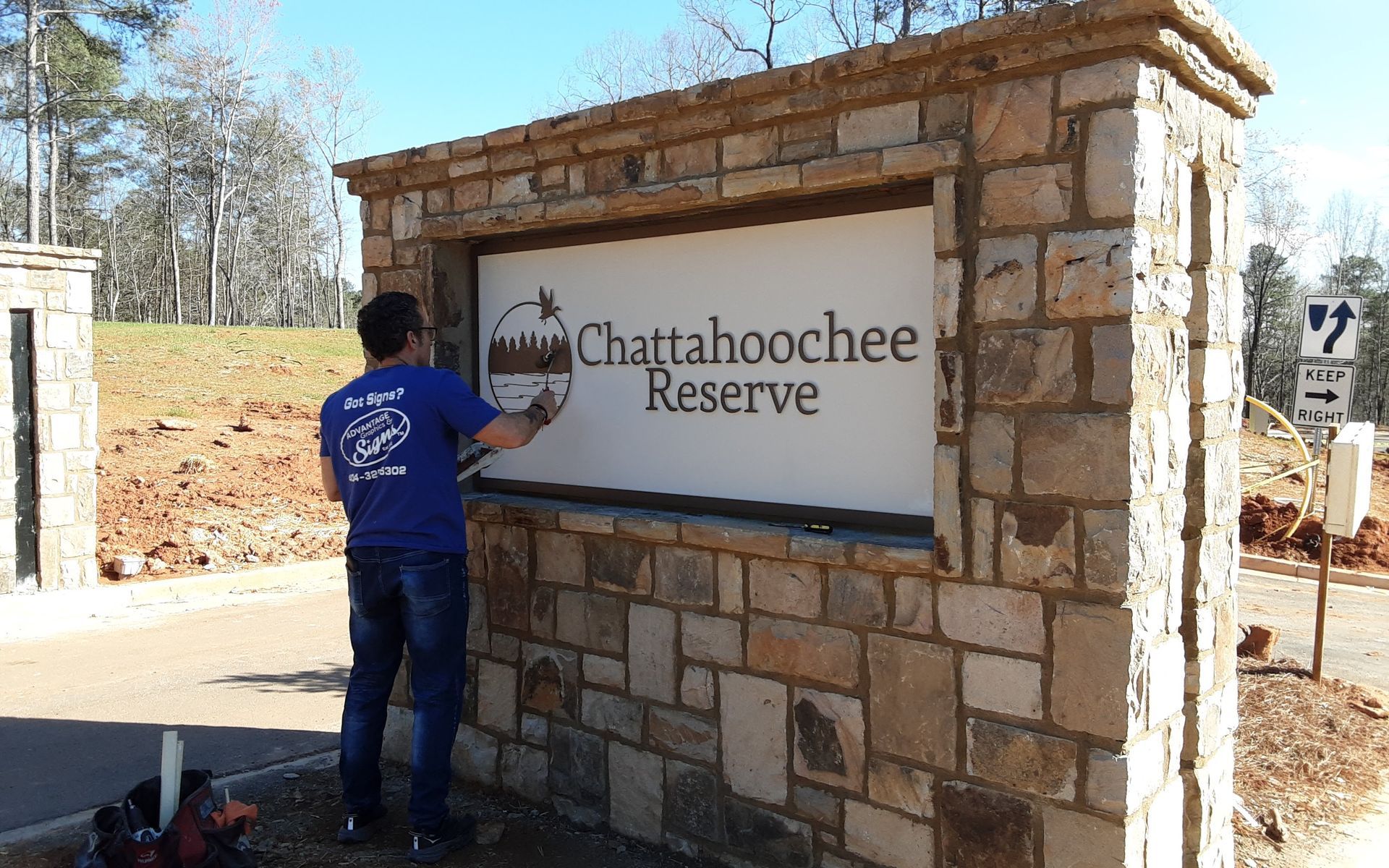
Choose Advantage Graphics Signs for expert commercial exterior signs in Atlanta, GA. Get compliant, high-quality signage today—contact us for a free consultation!
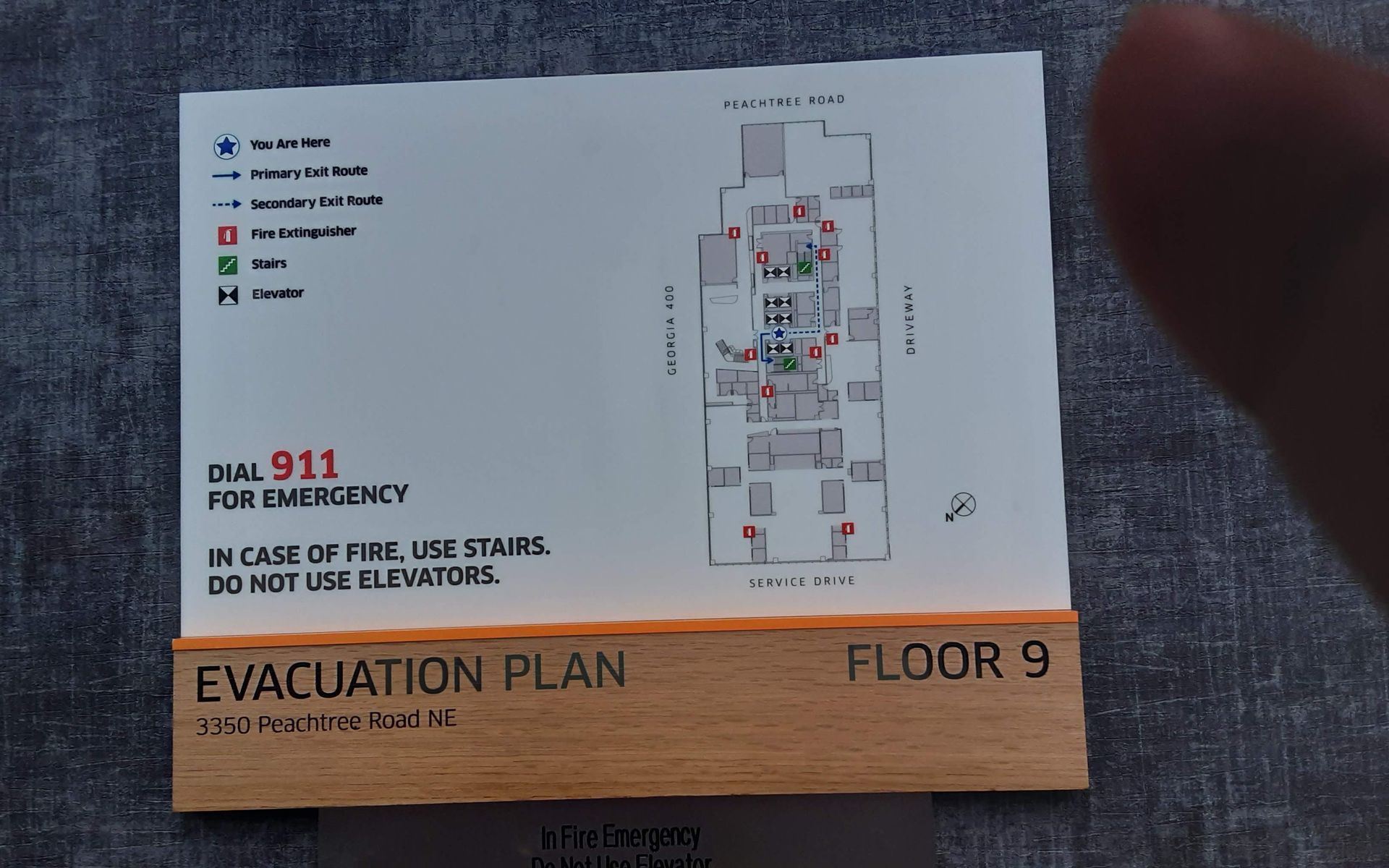
Enhance your workspace with custom commercial signs in Atlanta, GA. Contact Advantage Graphics and Signs today at 404-325-5302 for a consultation.
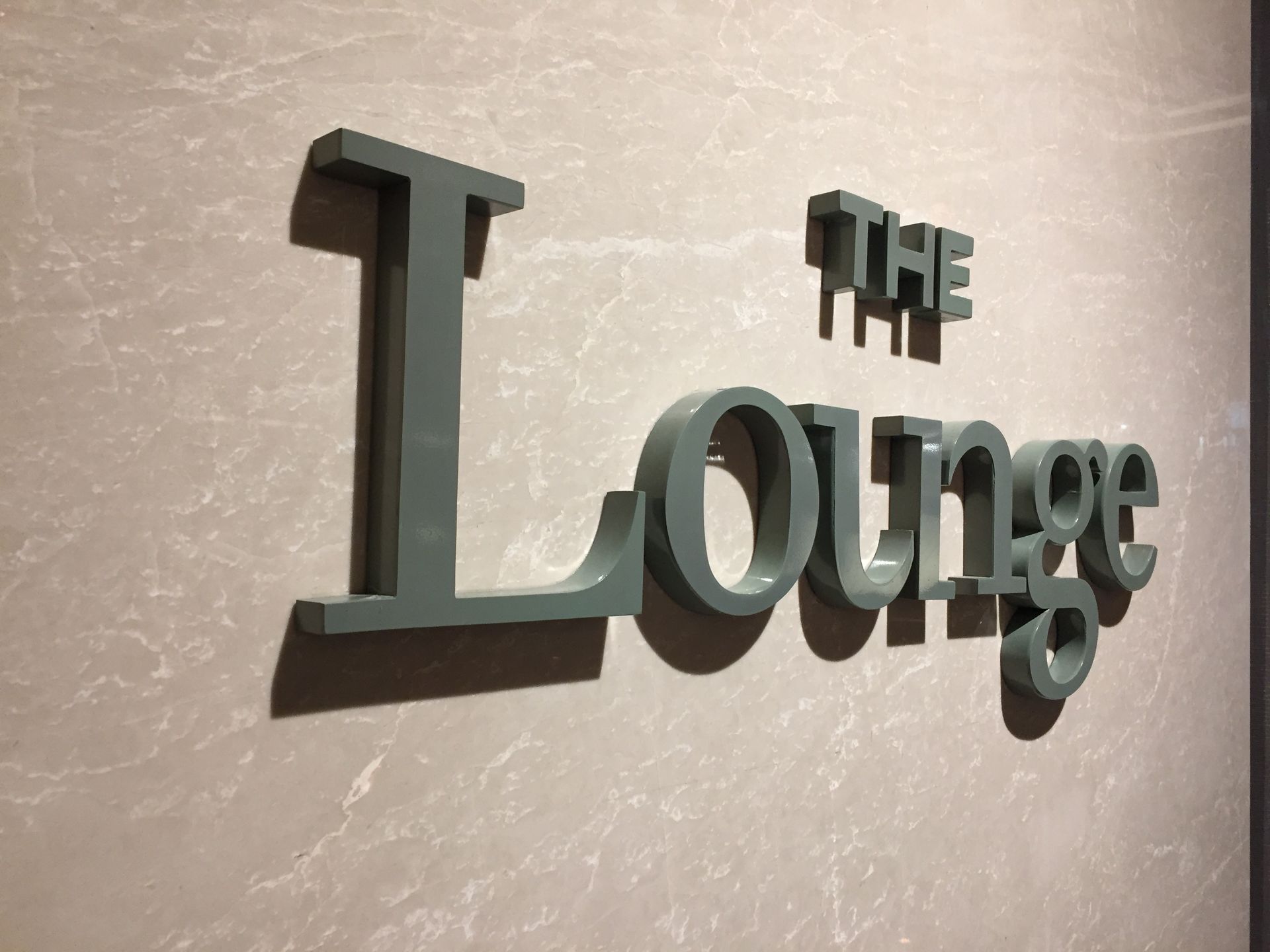
Boost your Atlanta business with custom commercial signs from Advantage Graphics & Signs. Call 404-325-5302 or click here to learn more and get noticed!