




How to Build a Commercial Wayfinding Sign System for Atlanta Office Parks and Campuses
A well-planned commercial wayfinding signs system can be the difference between a smooth visitor experience and a frustrated first impression at any Atlanta, GA, office park or campus. Whether you manage a multi-building corporate center in Buckhead, a medical office campus in Dunwoody, or a mixed-use development along the Perimeter, the way people navigate your property says a lot about your brand. This guide walks through every step of building a wayfinding system that works.
What Does a Commercial Wayfinding Sign System Include?
A complete commercial wayfinding signs program covers every decision point a visitor or employee faces on your property. It is a layered network of sign types that guide people from the street to a specific suite without a single wrong turn.
Entry Monument Signs
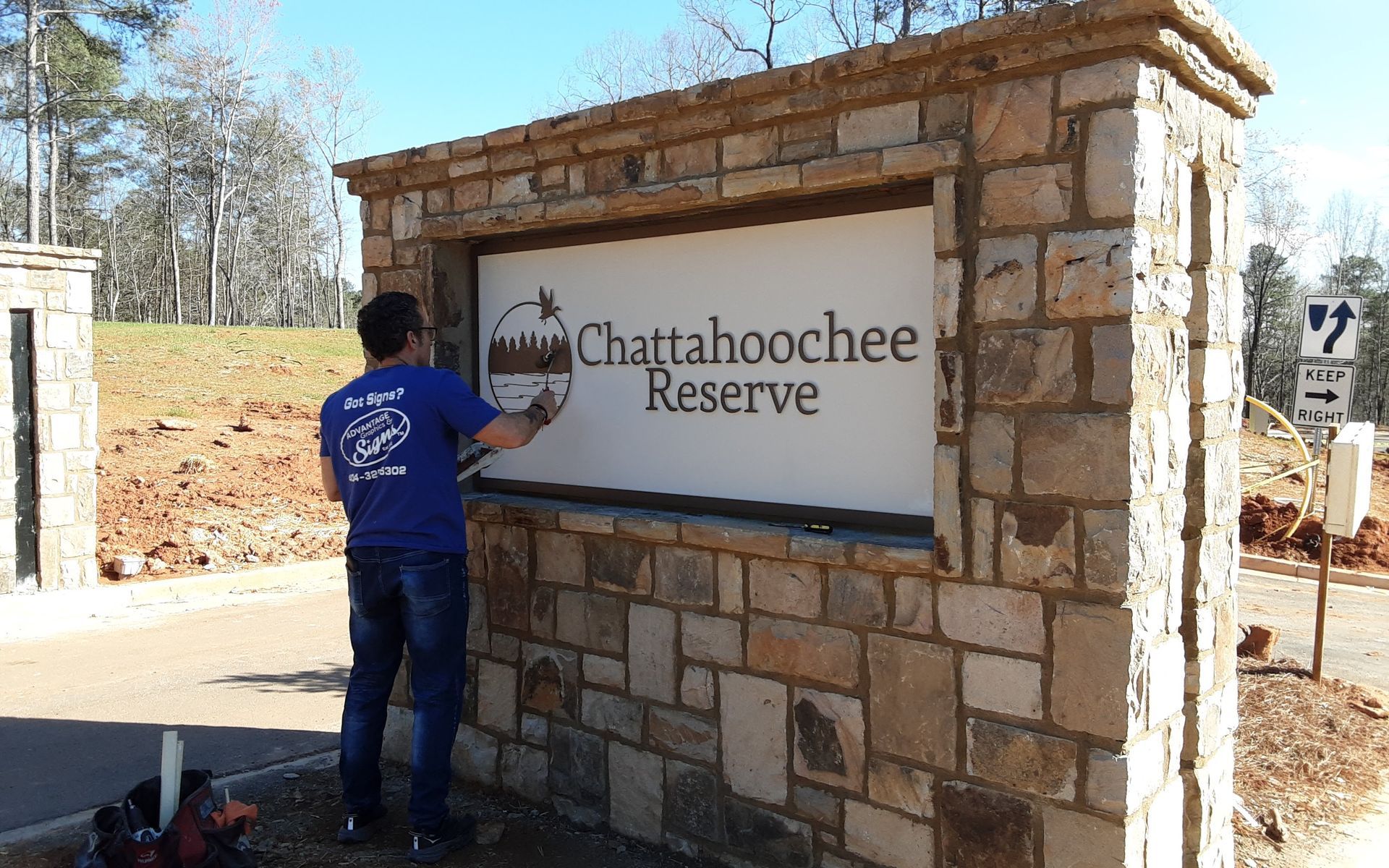
Monument signs are often the first physical touchpoint a visitor encounters. Placed at a property entrance off a main road, they identify the development by name and set the brand tone immediately. For large Atlanta campuses with multiple entrances, such as those along Peachtree Dunwoody Road, monument signs at each access point help reduce confusion from the start.
Directional and Vehicular Signs
Once a visitor pulls onto the property, directional signs guide drivers to parking, specific buildings, loading zones, or visitor drop-off areas. Campuses with multiple structures, such as health system office parks in Sandy Springs or corporate headquarters in Alpharetta, often need a full hierarchy of vehicular directional signs to manage traffic flow.
Building and Suite Identification Signs
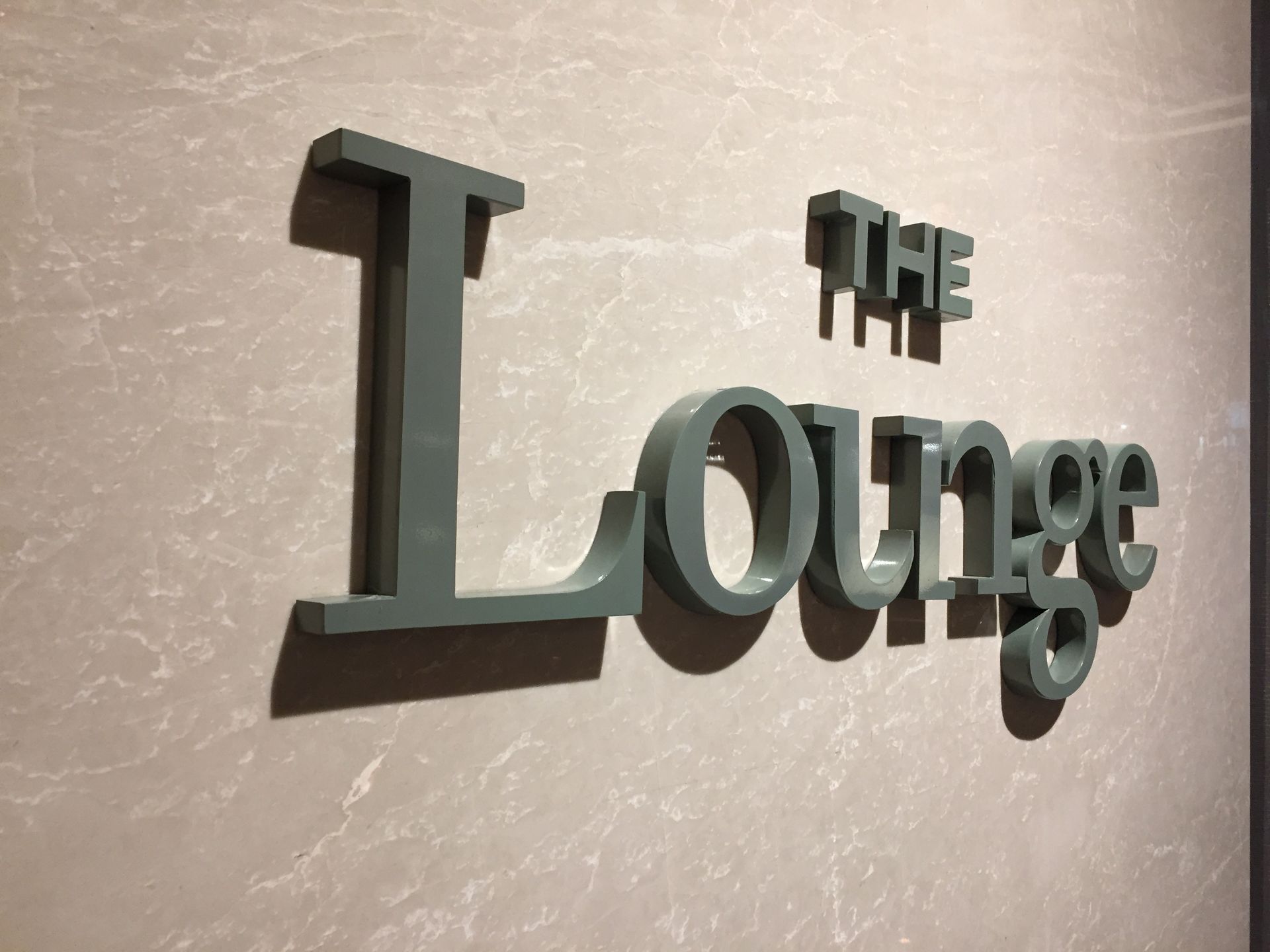
Each building and suite should be clearly labeled. Building ID signs help visitors orient themselves on campus. Suite identification signs inside a building help them reach the right tenant door. Both sign types should carry consistent fonts, colors, and materials that reinforce the property's overall brand.
Parking and ADA Signs
Parking lot signage marks reserved spaces, accessible spots, visitor areas, and permit zones. ADA-compliant signs are required by federal law and Georgia's Accessibility Code for accessible parking stalls, restrooms, and permanent interior rooms. These signs include tactile lettering, Grade 2 Braille, and proper mounting heights for wheelchair users.
How Do You Plan a Wayfinding System for an Atlanta Office Campus?
Planning commercial wayfinding signs starts before a single sign is ordered. A thoughtful process prevents costly changes later and ensures the finished system works for the people using it every day. Effective planning involves three core steps: auditing what currently exists, mapping every decision point, and aligning the sign program with brand standards.
Step 1: Conduct a Site Audit
Walk the property from the perspective of someone who has never been there before. Note every place where a visitor might hesitate or make a wrong turn. Record what signage currently exists, where it is damaged or faded, and where gaps exist. Atlanta's summer heat and humidity can wear down sign materials faster than in cooler climates, so condition assessments matter.
Step 2: Map Decision Points and Traffic Flow
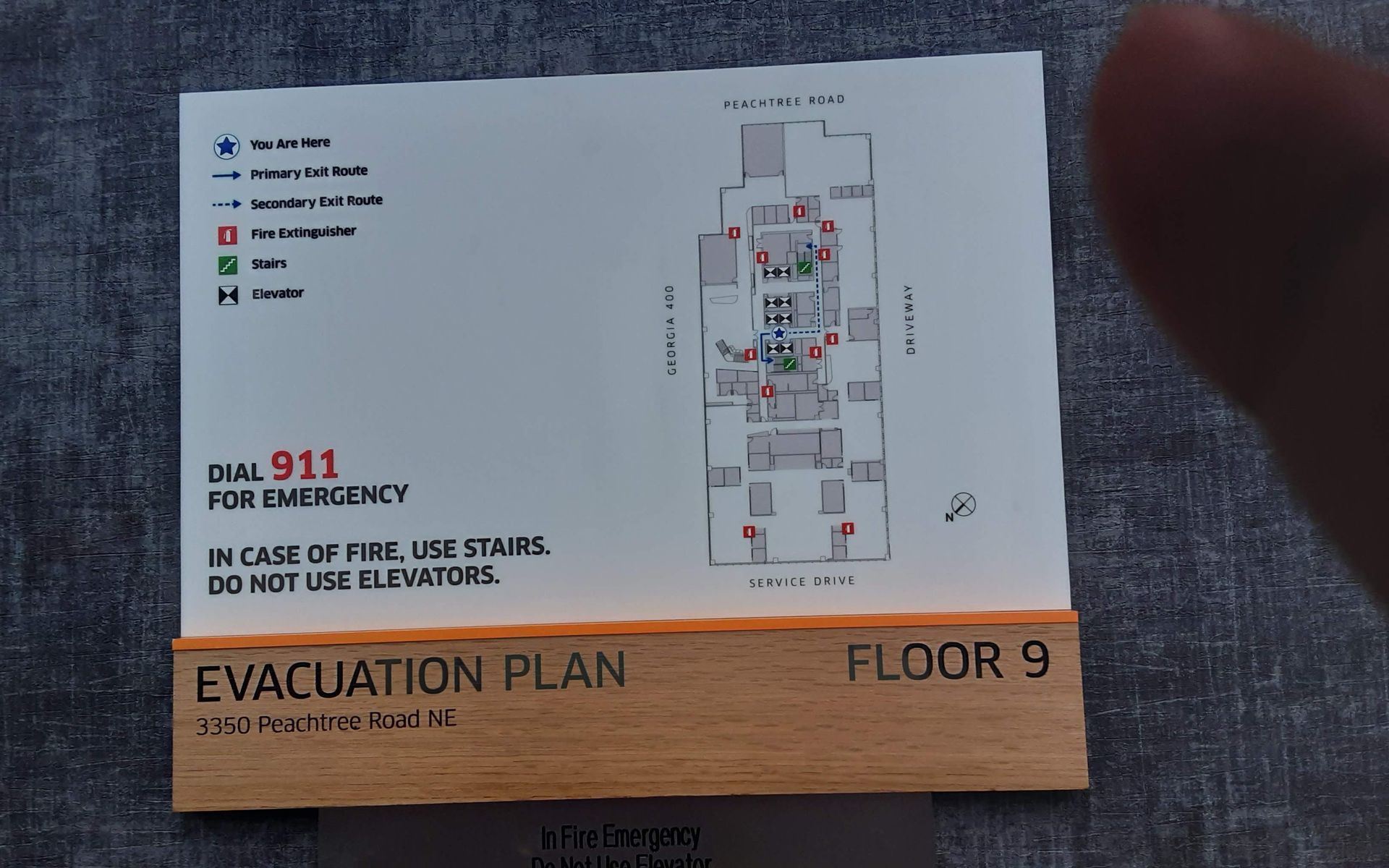
Use a site plan to mark every decision point: entry drives, intersections, parking areas, building entrances, elevator lobbies, and stairwells. Each of those points may need a sign. Campuses with visitor-heavy traffic, such as medical office buildings near Emory or Georgia Tech research parks, often have more complex patterns than a single-tenant property.
Step 3: Align With Brand Standards
Color, typography, material, and finish all communicate brand identity. A well-designed set of commercial wayfinding signs uses the property's existing brand palette so that the signs feel like a natural part of the environment. This alignment also creates a consistent look across all sign types, from the entry monument to the suite ID plaque.
Indoor vs. Outdoor Wayfinding Considerations
Indoor and outdoor signs face different conditions and serve different functions. Outdoor commercial wayfinding signs in Atlanta must hold up against UV exposure, rain, and seasonal temperature swings. Materials like aluminum, high-density urethane, and weather-resistant vinyls perform well in the Georgia climate.
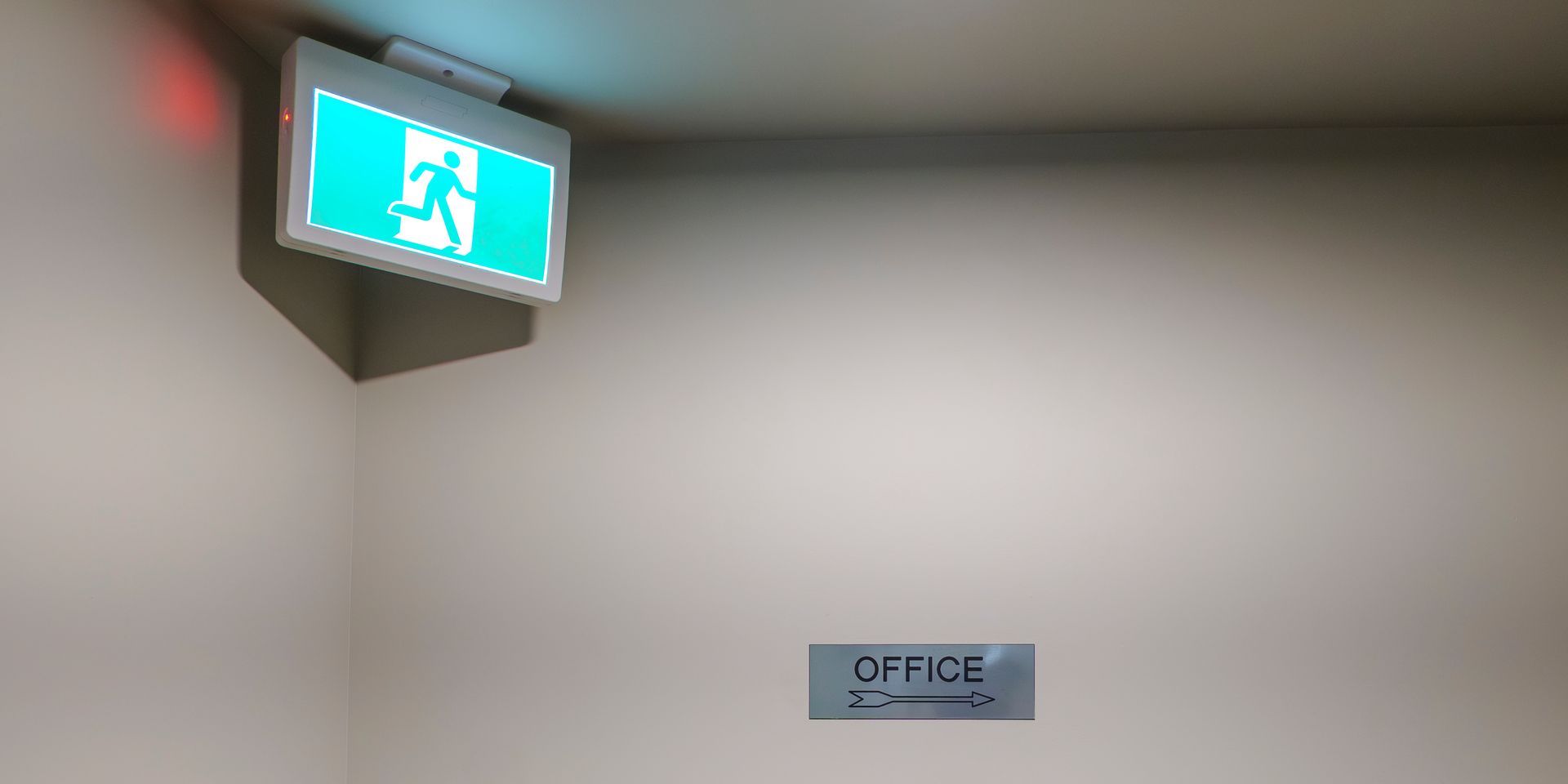
Indoor signs focus on readability at close range and compliance. Lobby directories, corridor directional signs, elevator identification plaques, and restroom signs all serve specific functions. Interior campuses with shared amenities such as conference centers or cafeterias may need additional directional layers to guide tenants and guests through those spaces.
A Note on Digital Wayfinding
Digital wayfinding is gaining ground in Atlanta commercial properties, particularly in larger mixed-use developments and Class A office buildings. Interactive touchscreen directories can display real-time tenant lists, floor maps, and turn-by-turn directions, and can be updated instantly when tenants move or common areas change. For properties with high foot traffic or frequent tenant turnover, digital directories offer a practical long-term advantage over static panels.
Get Your Wayfinding System Right the First Time
Getting commercial wayfinding signs right from the start means fewer frustrations, stronger first impressions, and a better return on your investment. Advantage Graphics & Signs takes a full-system approach for Atlanta-area office parks, medical campuses, and mixed-use developments, walking your property, evaluating existing signage, and designing a cohesive program that works from the street to the suite. Contact our team to schedule a consultation, or find us on Google. Call (404) 325-5302 to get started today.