




Are ADA-Compliant Commercial Office Signs Required in Atlanta, GA?
Atlanta offices need to understand ADA compliance for commercial office signs. Whether you occupy a Midtown tower, a Buckhead professional suite, or a multi-tenant office park in Dunwoody or Sandy Springs, the Americans with Disabilities Act applies to your signage, and getting it right from the start can save your business from costly corrections later. This article covers what federal standards require, which spaces are affected, common mistakes, and how to stay compliant while keeping your brand intact.
Is ADA Signage Legally Required for Atlanta Offices?
Yes, ADA-compliant office signs are legally required for most commercial properties in Atlanta, GA, that serve employees or the public. The 2010 ADA Standards for Accessible Design are federally enforceable, compliance is not optional for Georgia businesses, and the law categorizes signs by function, so knowing which category each sign falls into is essential for staying compliant without overcomplicating your project.
Which Spaces Require Compliant Signs?
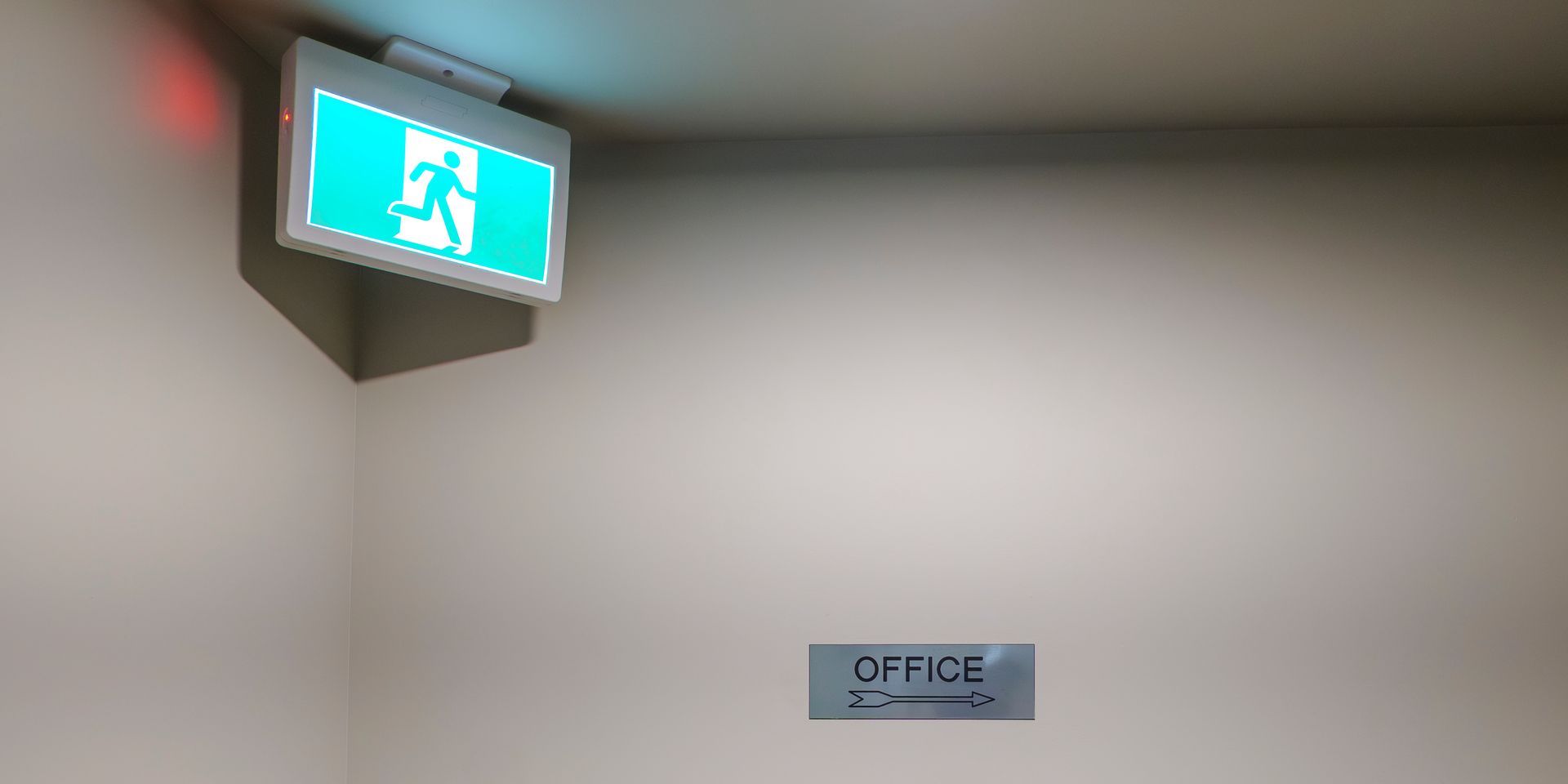
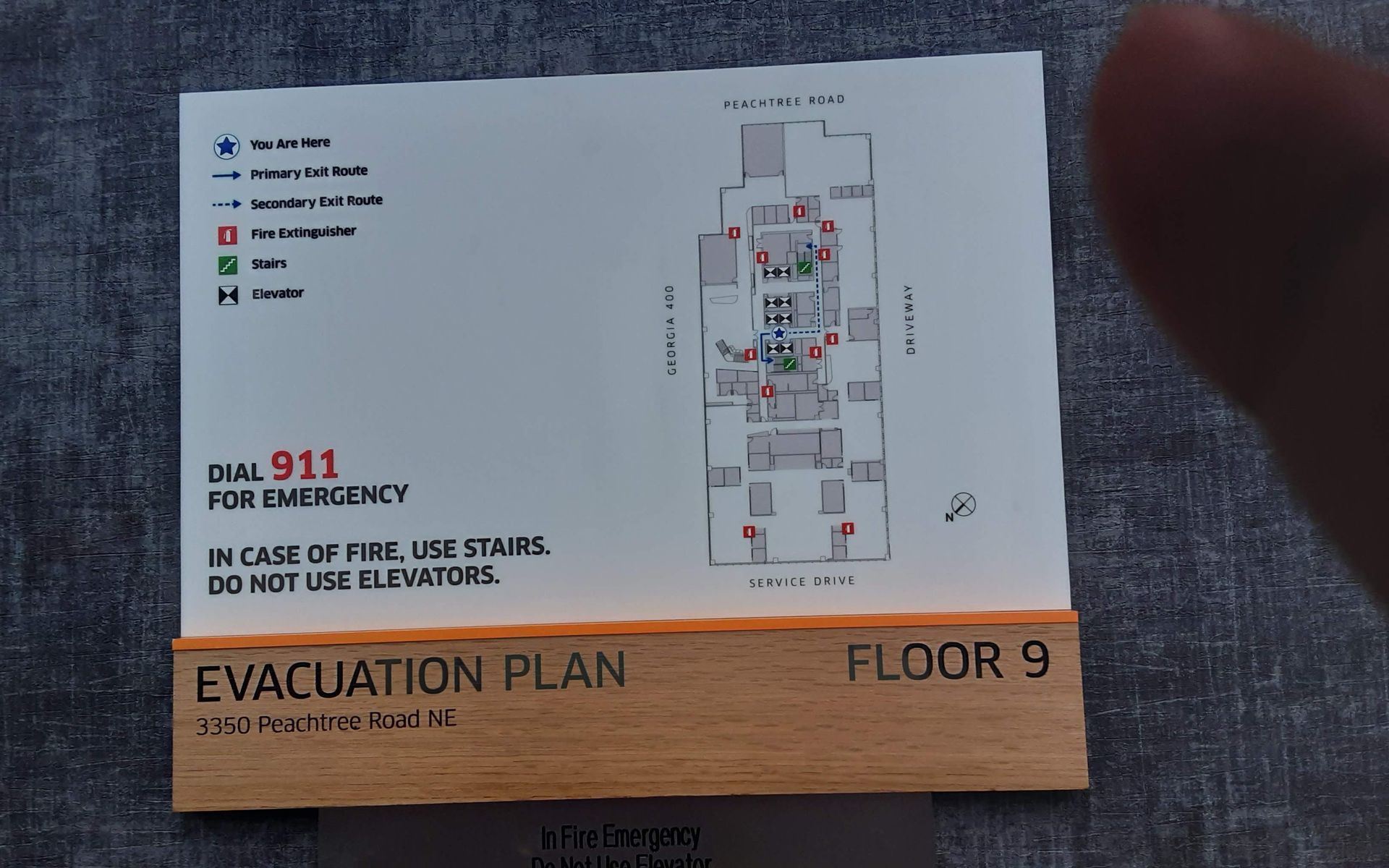
Any permanent room or space in a commercial building may require ADA-compliant commercial office signs, including restrooms, exits, stairwells, elevators, numbered rooms, offices, storage areas, and closets. These permanent room identification signs carry the most stringent requirements, including raised tactile characters and Grade 2 Braille. Directional signs, informational displays, and temporary signs follow different rules and are generally exempt from Braille requirements.
What About Decorative or Promotional Signs?
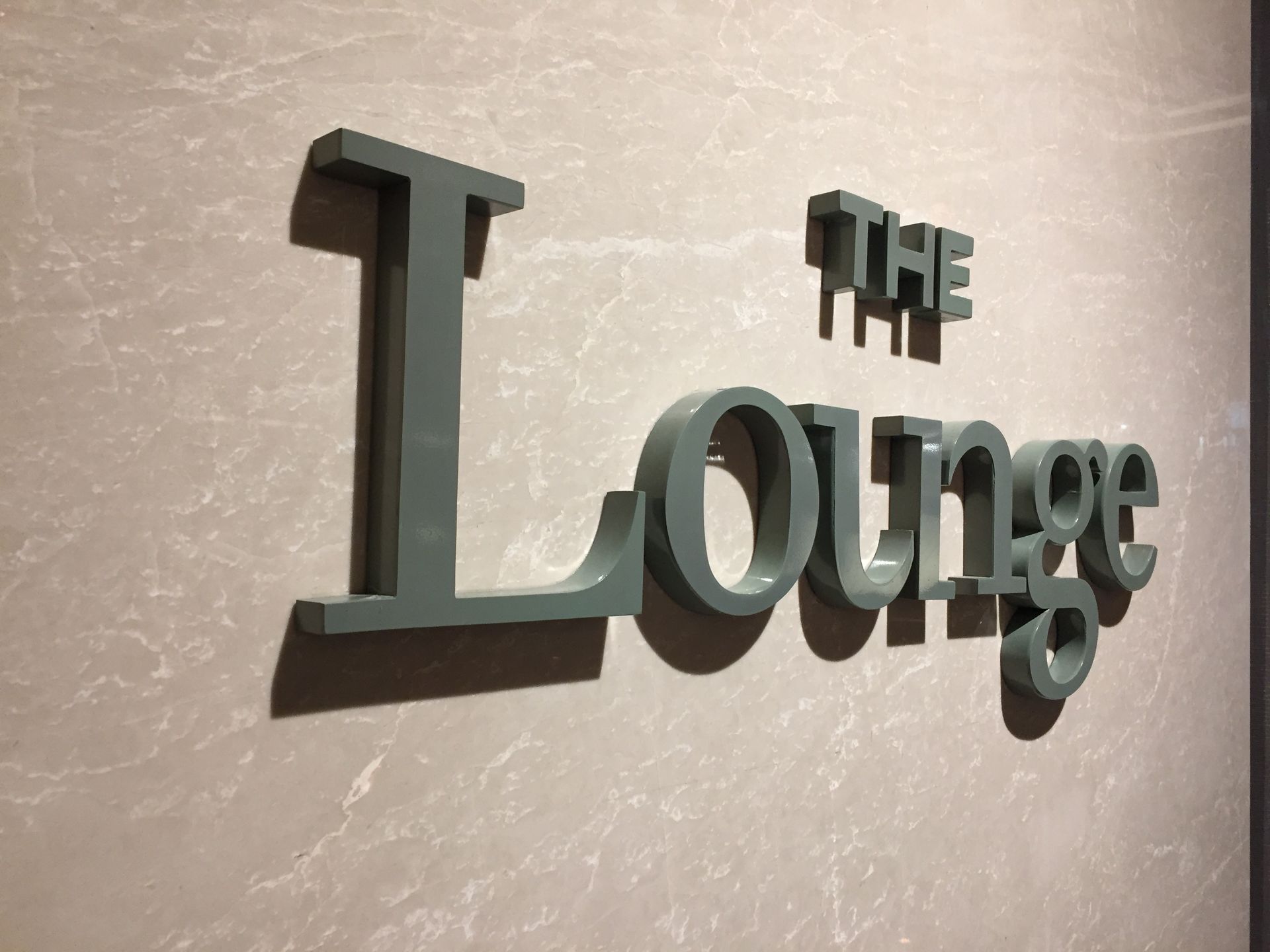
Branded graphics, wall murals, promotional posters, and decorative displays are typically not subject to ADA tactile or Braille requirements. The key distinction is whether the sign permanently identifies a room or functional space. If it does, ADA standards apply. If it is purely decorative or broadly informational, it likely falls outside the tactile sign rules.
What Are the Specific ADA Sign Requirements?
ADA sign compliance covers four main areas: tactile characters, Braille, color contrast, and mounting height.
Tactile Characters and Braille
Permanent room identification signs must feature raised tactile characters and Grade 2 Braille. Tactile characters must be raised at least 1/32 inch from the background, use uppercase lettering, set in a sans serif font such as Arial or Helvetica, and measure between 5/8 inch and 2 inches in height. Grade 2 Braille must accompany all tactile text, positioned directly below the corresponding raised characters, left-aligned, with rounded (domed) dots, since flat-topped dots do not meet the standard.
Color Contrast and Finish
ADA signs require a non-glare finish and strong contrast between text and background, as glossy finishes create glare that reduces legibility for people with low vision. Branded color palettes can still be used provided the contrast ratio remains strong enough to meet the standard, and an experienced sign professional can help you preserve your brand identity while keeping the sign fully compliant.
Mounting Height and Placement
Under ADA Section 703.4.1, tactile signs must be mounted on the wall adjacent to the latch side of the door, never on the door itself, with the baseline of the lowest tactile character at least 48 inches above the finished floor and the baseline of the highest no more than 60 inches above the finished floor. An 18-by-18-inch clear floor space must also be centered on the tactile characters beyond the arc of the door swing.
Common ADA Compliance Mistakes in Office Buildings
Several recurring errors cause offices to fail compliance reviews. Understanding them in advance helps you avoid expensive retrofits.
- Mounting signs on the door face rather than the adjacent latch-side wall.
- Using decorative or italic fonts that fail tactile clarity standards.
- Installing signs outside the 48-to-60-inch mounting height range.
- Omitting Grade 2 Braille from permanent room identification signs.
- Using a glossy finish that reduces legibility.
- Failing to provide the required 18-by-18-inch clear floor space at the sign location.
A properly manufactured ADA sign can still fail compliance if installed at the wrong height or in the wrong location. Both the sign and the installation must meet the standard.
Can Branded Office Signs Still Be ADA-Compliant?
Yes. The ADA sets minimum standards for tactile characters, Braille, contrast, and mounting, but leaves meaningful room for design creativity within those parameters. Materials such as acrylic, metal composites, and photopolymer can produce compliant signs that align with your color scheme and aesthetic, and logos, brand colors, and custom graphics can often be incorporated alongside required tactile and Braille elements, provided those zones remain unobstructed and high-contrast. Atlanta offices in healthcare, finance, and professional services have increasingly moved toward branded ADA sign systems that feel premium rather than institutional.
When to Involve a Professional Sign Company
Navigating ADA requirements while planning a full office sign package is complex, and bringing in a professional sign company early makes a meaningful difference. A qualified partner can assess your space, identify which locations require compliant commercial office signs, specify correct materials and finishes, and manage installation to meet federal and local building code standards. Atlanta projects often involve multi-tenant buildings, high-rise towers near Peachtree Center or Cumberland, and newly renovated suites where signage must be coordinated before walls are finished, and some require sign permits through the City of Atlanta or the relevant county jurisdiction, a process an experienced sign company can handle on your behalf.
Plan Your Office Sign Package With Confidence
Advantage Graphics & Signs has served the Atlanta area since 1992, providing design, fabrication, installation, and permitting services for commercial office signs and full office sign systems. Contact our team or give us a call at (404) 325-5302 to request a consultation.